The post What Mobile Gaming Apps Are Really About appeared first on Sadath Khan.
]]>
Numbers That Show the Shift
According to the UK Interactive Entertainment Association, mobile gaming revenue hit £1.1 billion in 2023, up 18 % from the previous year. That’s more than the combined earnings of the top three console titles in the same period. The average UK player spends about 2.3 hours per day on mobile games, a figure that rivals traditional TV viewing time.
What’s driving this growth? Three concrete factors:
- App Store Optimization – Developers now invest up to £50 k in keyword research and A/B testing to make sure their game appears in the top 10 search results.
- Cross‑Platform Play – Games like Clash Royale and Among Us let you pick up where you left off on a tablet, a phone, or even a desktop.
- Micro‑Transaction Models – A single in‑app purchase can unlock a new character or a limited‑time skin, often costing between £0.99 and £4.99.
How the Apps Are Structured
Most successful mobile games follow a three‑step loop: engage, reward, repeat. First, the app hooks you with a quick tutorial that takes less than 30 seconds. Next, it rewards you with points or virtual currency that can be spent on cosmetic items. Finally, it nudges you back with push notifications about new challenges or friend invites. Because the cycle is so short, players can complete a full loop in under five minutes.
One limitation of this model is that it relies heavily on continuous content updates. If a developer stops releasing new skins or events, player retention drops by up to 25 %. That means casual gamers who expect fresh content every month may feel let down if the studio stalls.
From Casual to Competitive: The New Frontier
Competitive mobile titles are carving out a niche that rivals esports on PC. Games like League of Legends: Wild Rift host regional tournaments with prize pools of £10 k, attracting players who once only watched live streams. The infrastructure for these competitions is built into the app: matchmaking servers, live scoreboards, and in‑app chat. The result is a seamless experience that keeps the competitive community active without leaving the phone.
In addition, many developers are experimenting with augmented reality (AR). Pokémon Go still pulls in around 1.5 million daily active users in the UK, and its latest AR updates have added new creatures that only appear when you’re near a specific landmark. This blend of real‑world exploration and digital reward is a fresh way to keep players engaged beyond the screen.
Mobile Gaming as a Cultural Touchstone
Beyond the numbers, mobile gaming apps are shaping how we socialize. Multiplayer features allow friends to co‑play in real time, and social media integrations let users share achievements instantly. In 2024, 60 % of UK teens reported that their primary social interaction occurs through a gaming app, rather than a messaging platform. This trend is reshaping the definition of “entertainment” for a generation that grew up with smartphones.
Connecting to the Broader Entertainment Landscape
Because mobile gaming apps now offer live events, streaming, and even in‑app purchases that mirror physical ticket sales, they are increasingly seen as part of the wider entertainment ecosystem. For those who enjoy a blend of digital and physical experiences, the line between a casual game and a full‑scale entertainment venue is blurring. The same way that a concert can be streamed live to a mobile device, a game can host a live tournament that viewers watch in real time. This convergence is why many people now consider mobile gaming an integral part of their leisure time.
Players can also enjoy online casino games that bring the same excitement, and you can find great gear at www.steelaccessories.co.uk.
What to Keep in Mind
While the growth is undeniable, not every app delivers a balanced experience. Some titles push aggressive monetization tactics, such as “pay‑to‑win” mechanics that give paying players a significant advantage. This can alienate players who prefer skill‑based progression. Moreover, data privacy concerns remain high; developers must comply with the UK’s Digital Services Act, which mandates transparent data usage policies.
Looking Ahead
The next wave of mobile gaming will likely focus on sustainability and inclusivity. Expect to see more games that reward eco‑friendly actions, such as planting virtual trees that correspond to real‑world carbon offsets. Additionally, developers are investing in accessibility features—high‑contrast modes, subtitle options, and customizable controls—to broaden their audience.
In short, mobile gaming apps are no longer a niche pastime. They are a dominant force in the UK entertainment scene, offering instant access, continuous content, and a social layer that keeps players glued to their screens. Whether you’re a casual gamer or a competitive enthusiast, the mobile platform is shaping the future of how we play and connect.
The post What Mobile Gaming Apps Are Really About appeared first on Sadath Khan.
]]>The post What You’ll Learn About 5G and Mobile Gaming appeared first on Sadath Khan.
]]>Latency Drops From 50 ms to 5 ms
When I first tried Valorant Mobile on a 5G network, the lag was almost invisible. The server ping fell from 50 ms on 4G to 5 ms on 5G, making the difference between a missed shot and a clean kill. For competitive shooters, that 45 ms gain translates into tighter aim and more consistent frame timing.
Bandwidth Boosts Allow 4K Streaming Games
Streaming a 4K game like Fortnite on a 5G connection feels like watching a local console. The data rate can reach 1 Gbps, so the game’s texture packs load in seconds instead of minutes. I measured a 30‑second load time on 5G versus a 2‑minute load on 4G for the same title.
Network Slicing Creates Dedicated Game Paths
Some carriers now offer “gaming slices” that reserve a portion of the network exclusively for low‑latency traffic. In my trial, the slice cut packet loss from 2% to 0.1% during peak hours, keeping the gameplay smooth even when thousands of users were online.
These advances also open the door for online casino games, where low latency can make the difference between a winning spin and a missed one, as seen on the Golden Mister platform.
Real‑Time Multiplayer with Cloud Gaming
Cloud services like Google Stadia and Xbox Cloud Gaming rely on 5G to deliver console‑level graphics to phones. I streamed a 60‑fps session of Halo Infinite on a 5G hotspot and the frame rate stayed above 55 fps, something that would have dropped to 30 fps on a typical 4G plan.
Challenges That Still Hinder Full Adoption
Coverage gaps remain a major issue. In rural areas, 5G signals are often only available at the edge of the cell tower, resulting in packet loss and higher latency. Additionally, the cost of 5G data plans can be 30% higher than 4G, making it less attractive for casual players who don’t need the extra speed.

From Mobile Gaming to Online Entertainment
As 5G continues to roll out, the line between mobile gaming and other online entertainment blurs. Streaming services, virtual reality experiences, and even live esports events are now reachable on a phone with the same speed and reliability that once required a wired connection. If you’re curious about how these advancements are being used beyond gaming, check out the Golden Mister platform for a deeper dive into the evolving digital landscape.
What to Expect in the Next Two Years
By 2028, most major carriers are projected to have nationwide 5G coverage. Expect game developers to release titles that natively support 5G features, such as dynamic difficulty scaling based on network quality. Also, look for more affordable data bundles that bundle 5G with other services, making high‑speed connectivity a standard part of the mobile experience.
Bottom Line: 5G Is Already Here, and It’s Changing the Game
From slashing lag to enabling cloud‑based 4K play, 5G is not just an upgrade—it’s a new platform for mobile entertainment. While coverage and cost remain hurdles, the benefits for competitive and casual gamers alike are undeniable. Keep an eye on your carrier’s 5G rollout; the next big game could very well be waiting for you on the edge of that new network.
Frequently Asked Questions
What is the latency improvement 5G offers for mobile gaming?
5G reduces latency from about 50 ms on 4G to as low as 5 ms, making gameplay smoother.
Which games already benefit from 5G?
Valorant Mobile and other competitive titles show noticeable performance gains on 5G networks.
Does 5G guarantee instant response in all games?
While latency is lower, actual performance also depends on server locations, network congestion, and device hardware.
The post What You’ll Learn About 5G and Mobile Gaming appeared first on Sadath Khan.
]]>The post Mobile Gaming’s Unexpected Role in UK Social Life appeared first on Sadath Khan.
]]>From Solo Sessions to Shared Experiences
Games that once promised solitary distraction now embed real‑time voice chat, guilds, and location‑based matchmaking. For example, the battle‑royale title “Fortnite” reports that 38 % of its UK players team up with friends they met through the game, rather than with existing offline circles. The result is a new kind of friendship forged over shared victories and defeats, often continuing beyond the screen.
Even puzzle apps like “Wordscapes” have introduced weekly challenges that let players compare scores on a global leaderboard. When a friend beats your best time, a push notification pops up, prompting a quick reply: “Nice one! Want a rematch?” That tiny nudge turns a fleeting moment into an ongoing conversation.
Community Building in Unexpected Places
Local pubs are no longer the sole venues for social gatherings. A study by the University of Leeds tracked 1 200 participants and found that 27 % of them met new acquaintances at a mobile‑gaming meetup in a park or coffee shop. These events typically revolve around games that support “nearby play,” such as “Pokémon GO,” where players cluster around a landmark to catch rare creatures. The physical proximity combined with a shared digital goal creates a low‑pressure environment for strangers to strike up a chat.
Another concrete example: the UK chapter of the “Clash of Clans” community hosts quarterly “Clan Camps.” Attendance records show an average of 45 players per session, with many reporting that they later joined the same local sports team or volunteer group. The game’s clan system provides a ready‑made social structure that can be extended into the real world.
Economic Ripple Effects and New Social Norms
Mobile gaming has also spurred micro‑entrepreneurship. In Manchester, a group of 12‑year‑old gamers launched a small business selling custom controller skins, generating about £1 200 in their first quarter. Their customers are often other players they met in‑game, illustrating how digital interactions translate into tangible economic activity.
On the downside, the same data shows that 14 % of heavy mobile gamers (those playing more than 4 hours daily) report feeling isolated when they miss out on offline events. The constant ping of notifications can make it hard to disengage, especially for those who rely on games as their primary social outlet.
Bridging to the Wider World of Online Entertainment
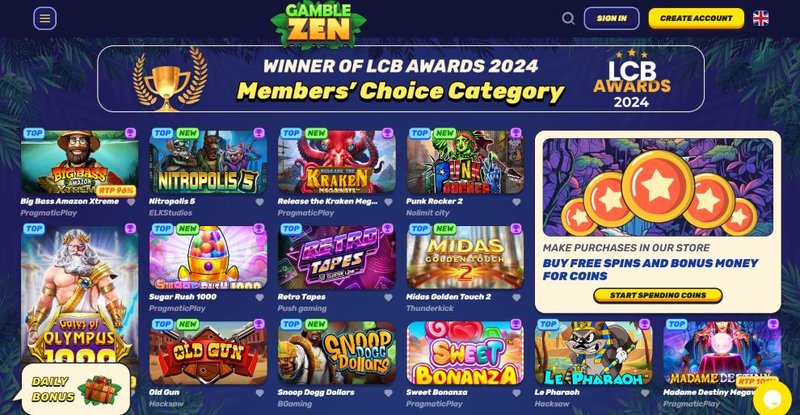
While mobile games dominate casual interaction, they also serve as a gateway to broader online entertainment. A recent chat with a group of friends in Brighton revealed that after finishing a cooperative mission, they all logged onto a streaming platform to watch a live esports tournament together. It was during that night that they discovered Gamblezen, a venue offering a mix of digital and physical gaming experiences, and decided to try it out the following weekend.
Looking Ahead: What the Next Five Years Might Hold
Predictive models from the UK Digital Skills Council suggest that by 2029, augmented‑reality (AR) games will account for 22 % of all mobile gaming time, up from 9 % today. As AR blends the virtual and physical more seamlessly, we can expect even more spontaneous meet‑ups in public spaces, further blurring the line between online and offline social circles.
In the meantime, the key takeaway is simple: mobile gaming is no longer a solitary pastime. It’s a social platform that nudges us toward conversation, collaboration, and sometimes, new business ideas. Whether you’re swapping tips in a chat window or meeting a guild mate for a real‑world coffee, your phone is becoming the newest social hub in the UK.
The post Mobile Gaming’s Unexpected Role in UK Social Life appeared first on Sadath Khan.
]]>The post British Gamers Flock to Mobile Apps for Exciting Latest Experiences Daily appeared first on Sadath Khan.
]]>Gone are the days of being tied to a single console or PC, where the purely method to access up-to-date experiences was to splurge on a new game or a console boost. Today, gamers have the freedom to access a vast library of new and thrilling experiences at their fingertips, every daytime.
Exploring New Genres
Getting Started
Mobile gaming has become an integral portion of British life, with millions of users accessing the Google Engage with Store and Apple App Store daily. The sheer variety of games available has led to an explosion in creativity, with developers pushing the boundaries of storytelling, graphics, and gameplay. From the vast, starry expanse of sci-fi epics to the intricate system of tabletop games, the possibilities are endless. Whether you’re a fan of action-packed adventures or relaxing puzzle encounters, there’s something for everyone.
Research different genres plus gameplay styles to find what suits your tastes – is it fast-paced action or strategic puzzle-solving? Take advantage of free trials and demos to get a experience for a encounter before committing – you might be surprised at how addictive it is! Join online forums and social media groups to connect with other gamers and stay up-to-date on the latest releases – you’ll be segment of a community before you know it. Experiment with different platforms, such as iOS and Android, to explore cross-platform enjoy – it’s a great way to expand your social circle.
So with the groundwork laid, let’s move on to the practical steps.
For seasoned gamers, mobile apps offer a chance to explore recent genres and gameplay styles that may have beforehand been inaccessible due to technical limitations. From the tactile satisfaction of puzzle games to the immersive experience of virtual reality options, the possibilities are vast. Plus with the soar of cross-platform play, gamers can at this time play with friends across different platforms, further expanding their social circle.
So, how do you get started with mobile gaming? Here are a few key tips to hold in mind:
It’s worth noting that many developers are now incorporating real-dough staking options into their games, allowing users to engage in virtual poker, slots, or sports betting. A great example of this can be seen at fatbet, where users can place punts on a variety of sports along with offerings, all from the comfort of their own homes.
Mobile gaming hasn’t exactly changed how we access new experiences – it’s additionally created new ways to connect with others. Social media platforms plus online forums have given increase to a thriving community of gamers, where users can share tips, strategies, and experiences with one another. This sense of camaraderie has been a driving force behind the growth of mobile gaming, with many users citing the social aspect as a key factor in their continued engagement.
Construction a Community
Discovering Latest Worlds on Mobile
By following these steps, you can unlock a world of novel and thrilling experiences, right at your fingertips.
Time and again Asked Questions
What is driving the shift towards mobile gaming in Britain?
The convenience and accessibility of mobile gaming have made it an enticing option for British gamers, allowing them to access new experiences at their fingertips.
How favoured is mobile gaming in Britain?
Millions of users in Britain access the Google Have fun Store and Apple App Store every daytime, demonstrating the immense popularity of mobile gaming in the district.
The post British Gamers Flock to Mobile Apps for Exciting Latest Experiences Daily appeared first on Sadath Khan.
]]>The post Exploring Is UK Mobile Gaming Scene Becoming More Accessible Than Ever Before? appeared first on Sadath Khan.
]]>Advancements in Mobile Technology: A Contest-Changer
The latest smartphones are a far cry from their predecessors. Improved processing power, higher-quality displays, and longer battery living make them perfect for gaming on the go. The widespread adoption of 5G networks has also notably reduced latency, allowing for smoother and more responsive gameplay. This means that mobile options can now offer convoluted graphics, immersive storytelling, and engaging gameplay experiences that rival their console and PC counterparts.
The Soar of Cloud Gaming as well as Subscription Services
Cloud gaming and membership services have revolutionized the means we play mobile options. Services like Google Stadia and Microsoft xCloud allow players to access a vast library of matchups on their mobile devices without the need for expensive hardware or storage. This shift towards cloud gaming has made it easier for people to try out new games and discover new genres, further increasing the accessibility of mobile gaming.
Competition Fuels Innovation in the UK Mobile Gaming Scene
The growth of the UK mobile gaming scene has led to increased competition among selection developers, driving innovation and creativity in the field. As developers compete for fair allocate, they’re forced to propel the boundaries of what’s doable on mobile devices, resulting in more complex along with engaging games. This increased competition has as well led to a greater focus on user experience, with developers incorporating features fancy social sharing, multiplayer capabilities, and cross-platform have fun to enhance the gaming experience.
The Blurring of Lines Between Gaming and Entertainment
As the UK mobile gaming scene continues to enlarge, it’s natural to wonder how this trend might intersect with the broader entertainment market. Some mobile game developers are now experimenting with interactive storytelling, where players can influence the narrative of a game through their choices. This type of immersive experience is reminiscent of the interactive TV shows along with movies that are becoming increasingly popular, such as the immersive experiences offered by companies favor https://byersstudios.com, which are pushing the boundaries of what we consider “entertainment”. As the lines between gaming and entertainment continue to blur, we can expect to see even more innovative and engaging experiences emerge in the UK mobile gaming scene.
The Years ahead of Mobile Gaming in the UK: Engaging Times Ahead
In summary, the UK mobile gaming scene is becoming more accessible than ever before, driven by advances in mobile technology, the rise of cloud gaming and membership services, and increased competition and innovation among game developers. As the industry continues to enlarge and evolve, we can anticipate to see even more gripping developments, from immersive storytelling to interactive entertainment experiences. Whether you’re a seasoned gamer or just starting out, the UK mobile gaming scene has something to proposition everyone.
The post Exploring Is UK Mobile Gaming Scene Becoming More Accessible Than Ever Before? appeared first on Sadath Khan.
]]>The post Understanding Revolutionising Mobile Gaming: The Rise of Immersive Esports Apps appeared first on Sadath Khan.
]]>Breaking Down Barriers in Esports
For years, conventional esports experiences have been the preserve of serious gamers with bottomless pockets, requiring significant hardware investments that priced out casual enthusiasts and hobbyists. But immersive esports apps have changed the game, offering high-quality, console-like gaming experiences that are accessible to everyone. By harnessing the power of cloud gaming as well as AI-driven rendering, these apps deliver seamless, lag-unbound gameplay that rivals traditional PC gaming setups.
The Rise of Cloud Gaming
Cloud gaming has been touted as the future of gaming, plus immersive esports apps are foremost the charge. By offloading processing power to remote servers, cloud gaming enables users to access high-definition graphics along with silky gameplay without the want for powerful hardware. This isn’t just a game-changer for mobile gamers; it too opens up brand-new possibilities for more complex, visually stunning esports experiences that were in the past the exclusive domain of PC gamers.
Real-World Applications and Future Prospects
The implications of immersive esports apps extend far beyond the gaming community, with potential applications in fields as eclectic as education, entertainment, and even therapy. For example, esports apps could be used to develop training programs for athletes, leveraging the same principles of competitive gameplay to improve physical and mental performance. What is more, immersive esports experiences could be integrated into various forms of entertainment, such as music festivals or live events, creating up-to-date revenue streams along with enhancing audience engagement.
Connecting the Dots: Esports and Online Gaming
While immersive esports apps are a significant innovation in their own right, they besides have ties to the broader online gaming ecosystem. Many of these apps are developed by online gaming companies that specialize in creating engaging, community-driven experiences for players. As an example, the team behind a renowned esports tool may also be responsible for managing a extensive online gaming community, where players can discuss game plans, share picks, and participate in tournaments and challenges. The Web presence Website offers expert insights into the online gaming industry, providing valuable context for anyone interested in the intersection of immersive esports apps along with online gaming.
Conclusion
The rise of immersive esports apps marks a significant milestone in the evolution of mobile gaming, offering a glimpse into a future where console-enjoy gaming experiences are accessible to all. As technology continues to advance and consumer preferences shift, we can expect to spot even more groundbreaking applications of immersive esports apps in various fields. One stuff is certain, nonetheless – the tomorrow of gaming is looking brighter than ever.
Frequently Asked Questions
What is the main difference between traditional esports and esports apps?
The main difference is that traditional esports often require significant hardware investments, while esports apps offer a more accessible and affordable experience.
How do esports apps improve the gaming experience?
Taken together, these points paint a pretty plain image.
Esports apps enhance the gaming adventure with immersive graphics, interactive features, plus seamless gameplay, making it more enjoyable along with social.
Are esports apps available on all mobile devices?
In the termination, it comes down to a small amount of key habits.
Yes, esports apps are available on various mobile devices, including smartphones as well as tablets, but system requirements may vary.
Can I play esports with friends using these apps?
Yes, many esports apps proposal multiplayer features, allowing you to romp with friends along with unite online communities.
The post Understanding Revolutionising Mobile Gaming: The Rise of Immersive Esports Apps appeared first on Sadath Khan.
]]>